
When Relief Feels Like Collapse: The Trauma Responses People Misread
This isn't a "wellness" blog. This is an extraction. Riven Hale is the surgical removal of the lies you’ve used to survive. We don’t do soft edges, we don't do therapy-speak, and we don't do comfort. We name the behavior, expose the conditioning, and hand you back the nervous system you’ve been sacrificing to the family altar for decades. If you’re looking for a hug, go somewhere else. If you’re looking for the truth that actually cuts the cord, you’re home.
Riven Hale
2/17/20263 min read
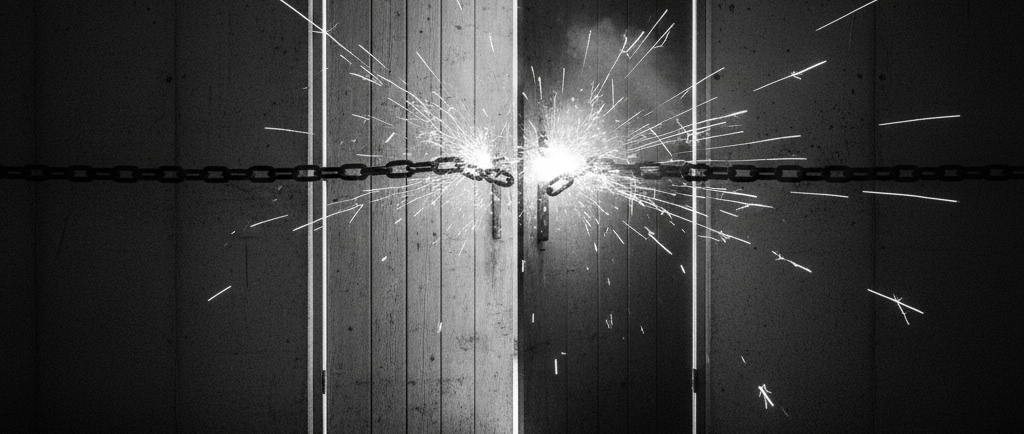
Let’s fucking talk about it.
There’s a moment trauma survivors rarely get warned about. Life finally stabilizes. The relationship goes quiet. The bills are paid. The chaos slows to a crawl. The threat is gone.
And instead of feeling "blessed" or "energized," you fucking crash.
People misread this constantly. They call it laziness. They call it depression. Your boss calls it a "loss of motivation." Your partner calls it "self-sabotage."
As if your body didn’t just survive decades of sustained war and is now being asked to magically pivot into a damn yoga retreat. That isn't how nervous systems work.
When Safety Arrives, the Body Tells the Truth
During danger, your body has one priority: survival. Muscles stay braced. Attention stays sharp. Sleep stays light. You function because you have no other choice.
When safety finally arrives—real safety, not just a commercial break—your body does something that looks like failure from the outside: It stands down.
The exhaustion you couldn’t afford to feel for twenty years shows up all at once. The adrenaline leaves, and the body finally reveals the bill it’s been holding.
This isn’t collapse because something is wrong. It’s collapse because something finally ended.
Laziness vs. Functional Dissociation
Let's get surgical about the labels. Laziness implies choice. Functional dissociation does not. Functional dissociation is what allowed you to keep going when stopping meant you’d be destroyed. You stayed present enough to perform, but distant enough to not feel the impact of the hits.
It looks like:
Doing what’s required without feeling a damn thing.
Being “fine” while feeling completely hollow.
Living one layer removed from your own skin.
When the pressure lifts, that dissociation doesn’t just vanish. It loosens. And as it loosens, the fatigue rushes in. Shaming this phase only teaches your body that rest is dangerous—which pushes you right back into the bracing that’s killing you.
The Addiction to the Storm
If you grew up navigating landmines, calm doesn't feel peaceful. Calm feels like a trap.
You learned to read footsteps. You learned to calculate tone shifts. You learned the exact weight of a room going quiet in a way that meant a disaster was loading.
So your nervous system flipped the wiring:
Chaos = Connection. * Calm = The eye of the storm.
You don’t "crave drama." You crave predictability. Danger had rules. Instability gave you clarity. You knew exactly who you had to be to survive the next ten minutes. Waiting for the hit was easier than trusting the silence.
This is why, when you meet someone steady and regulated, you say there’s "no spark." Let's be real: Your body is just in withdrawal from adrenaline.
Intensity Is Not Intimacy
Read this twice: Butterflies are often just your threat system warming up.
If peace makes you want to sabotage, nothing is "wrong" with you. Your nervous system just doesn’t have the map for this terrain yet. You don’t miss the chaos—you miss how simple danger made everything.
There is another kind of clarity. It doesn’t scream. It doesn’t chase. It doesn’t keep you guessing. And yes, it will feel boring and "wrong" at first.
That’s how you know it’s real.
The Crash Is Not the End State
You don’t "optimize" this phase. You don't "push through" it. You let your body finish what survival interrupted.
Healing at this stage is not becoming productive again as fast as possible. Healing is tolerating safety long enough for your body to believe it’s not a trick.
The fatigue, the fog, and the temporary loss of drive aren't regressions. They are reorganizations. When your system finishes recalibrating, the energy returns—but this time, it’s not fueled by fear. It’s yours.
And no one gets to call that laziness.
Fuck ’Em.
#RivenHale #TraumaTruth #NervousSystemIntel #NoSoftEdges #CycleBreaking
© Anthony Sellers (Riven Hale) 2026